
The Quiet Weaponry of Waiting
Observation: the slow sharpening of stillness in an age of panic.
FIELD NOTES
Valkyrie
11/21/20253 min read
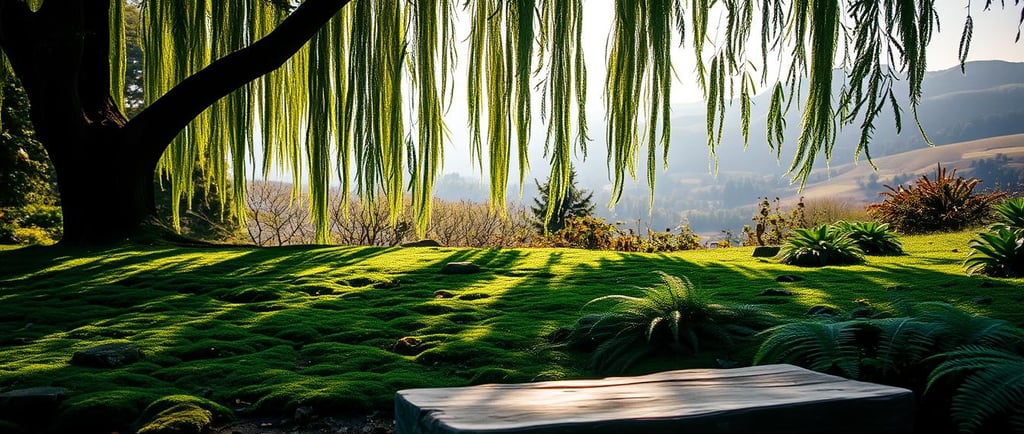
The world worships speed like it’s a god. Instant results, instant pleasure, instant outrage. We refresh and reload until our nervous systems fray, mistaking urgency for importance. Yet hidden in the long, slow silence between moments lies an ancient weapon: waiting. The act itself—dismissed as weakness by those drunk on velocity—is a kind of defiance.
Patience isn’t softness. It’s steel disguised as stillness. It’s the deliberate refusal to move when the world demands motion. To wait is to reclaim sovereignty over time—to look chaos in the eye and say: you’ll move when I do.
Strength in Stillness
Our culture equates movement with meaning. If you’re not hustling, posting, reacting—you’re invisible. But waiting is not inaction. It’s a decision carved from self-trust, demanding endurance and calm amid noise.
True strength isn’t found in hasty leaps or frantic striving; it’s in the pause before them. Patience is the discipline to hold still while the world convulses with urgency. It’s strategy disguised as serenity—a reminder that silence can cut deeper than any shout.
The Tyranny of Now
Patience once stood beside courage and wisdom in the pantheon of virtues. Now, it’s treated like an outdated relic. The cult of instant gratification has rewritten our values, teaching us to chase rather than dwell. Every ping and scroll feeds the illusion that faster is better—that slowness equals failure.
But waiting is resistance. It’s the refusal to be ruled by the clock or the algorithm. Each deliberate pause is an act of rebellion against the tyranny of immediacy. To wait well is to reclaim your focus, your rhythm, your soul.
Sacred Timelines
Ancient civilizations understood what we’ve forgotten: waiting is sacred. From the Greeks consulting their oracles to Buddhist monks sitting in silence, patience was devotion, not delay.
In Buddhist practice, waiting is prayer through presence. It transforms time from a linear chase into a meditative circle—each moment infinite if we dare to inhabit it. When we wait with awareness, time stops being something we lose and becomes something we live inside.
The Mind’s Machinery of Waiting
Science finally affirms what mystics always intuited: patience reshapes the mind. Neuroscience shows that waiting strengthens the prefrontal cortex—the part of the brain governing impulse control and decision-making. The more we wait with intention, the less we are ruled by reaction.
Walter Mischel’s Marshmallow Test made this tangible: children who resisted immediate temptation tended to fare better later in life. Delayed gratification isn’t just a moral exercise; it’s neurological training. Patience builds the wiring for resilience.
In essence, waiting doesn’t weaken us. It hones the architecture of thought, making endurance not just a virtue, but an evolved form of intelligence.
Strategic Defiance
Injustice demands endurance, not haste. The Civil Rights Movement mastered this paradox: nonviolent resistance required patience as armor. Martin Luther King Jr. understood that holding steady under fire is its own form of force.
True patience isn’t compliance—it’s resistance with stamina. It refuses to mirror the chaos it confronts. Waiting, in this sense, is both weapon and wisdom: a slow burn that outlasts the flames.
The Art of Cultivating Patience
Patience grows where attention lingers. Meditation and mindfulness are its soil. These practices teach us to inhabit time, not chase it—to breathe before reacting, to listen before speaking, to let moments unfold without grabbing them by the throat.
Through mindfulness, we learn to watch thoughts without judgment. Through meditation, we steady the restless body and unlearn the reflex to rush. This daily discipline transforms waiting from endurance into art.
When practiced, patience becomes a quiet power: not surrender, but awareness sharpened to a fine edge.
When Waiting Turns to Withering
Even weapons can dull. Too much patience curdles into procrastination—the endless waiting for the “right moment” that never arrives. If your stillness hides fear, it’s not patience anymore; it’s avoidance wearing virtue’s clothes.
Ask yourself: am I waiting because it’s wise, or because I’m afraid to begin? Balance is the difference between evolution and erosion.
The Quiet Revolution: Patience in Life and Work
Professionally and personally, patience is not passive—it’s pragmatic. In business, it fuels sustainability. Companies that take their time to research, refine, and invest long-term often build legacies rather than headlines.
In relationships, patience is the language of care. Listening without interruption, allowing others to be complex, sitting through discomfort—these are not delays but deep acts of love.
Across every domain, patience refines success from something frantic into something enduring.
The Transformative Alchemy of the Wait
To wait is to wield time like a blade—precise, deliberate, unflinching. Through patience, we stop grasping and start becoming. It burns away the frantic, leaving what is true and tempered.
In stillness, we are remade. Waiting teaches us that transformation rarely roars—it whispers. The world may call it delay. But we, who have learned to endure, know it as becoming.
© 2025. All rights reserved.