
The Antihero’s Code of Conduct
(Which Mostly Consists of Not Asking Permission)
DISPATCHES FROM PURGATORY
Valkyrie
2/4/20262 min read
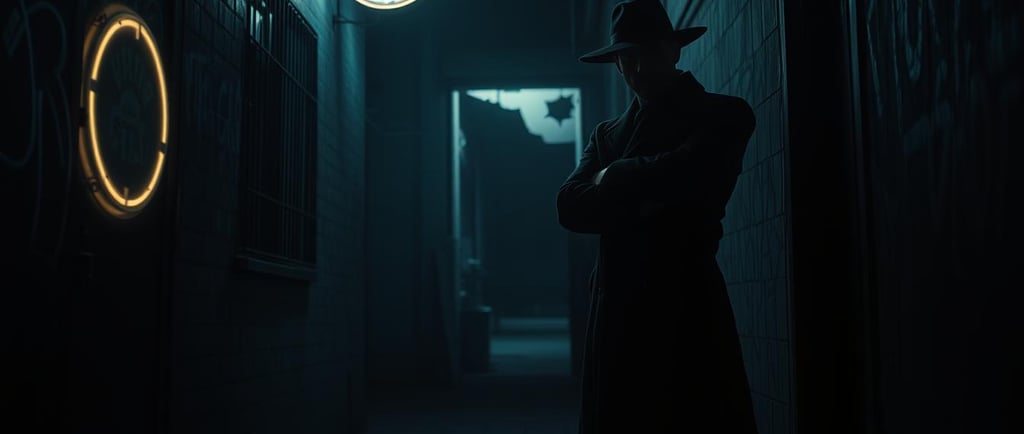
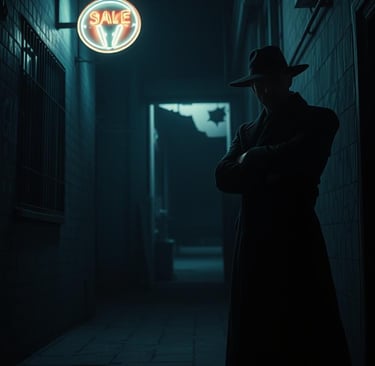
I love an antihero because at some point, following the rules stopped working and no one wanted to speak about it.
Antiheroes come from clarity. The clarity that morality is enforced unevenly, that institutions protect themselves first, and that being “good” is often just another word for being compliant. When you notice that, opting out stops feeling rebellious and starts feeling sanitary.
The antihero doesn’t fix the world. They stop pretending the world can be fixed by manners, patience, or moral branding.
The antihero is not a misunderstood hero waiting for redemption. They operate with a narrow, personal code, if they operate with one at all. Loyalty beats law. Outcomes beat intent. Survival beats optics. This makes them intolerable to institutions and magnetic to anyone who has watched those institutions fail spectacularly while insisting everything is fine.
People like to say antiheroes live in the gray. They don’t. They live in the aftermath. The gray is what’s left when moral certainty collapses and everyone quietly adjusts their standards to survive without admitting they did.
I didn’t start loving antiheroes because they were cool. I started loving them when doing the “right thing” protected everyone except me.
I followed rules that turned out to be decorative. I believed in systems that rewarded endurance over integrity. I learned, the hard way, that virtue is often just unpaid labor with better PR.
The antihero showed up not as a role model, but as a relief. A character who refused to apologize for seeing the pattern and acting accordingly. Someone who didn’t confuse obedience with goodness or suffering with worth.
That’s not aspirational. That’s recognizably human.
(And I mean, who doesn't love to see pieces of themselves represented in pop culture.)
We don’t love antiheroes because they’re relatable. We love them because they say the quiet part out loud and then stop negotiating with it.
They act on impulses we outsource. Rage at broken systems. Distrust of authority. The desire to stop explaining ourselves to people invested in misunderstanding us. Watching them isn’t about wanting to be them. It’s about letting them carry the weight we’re not allowed to set down.
But there’s a cost.
Loving antiheroes trains us to tolerate harm if it feels justified. It makes charisma easier to confuse with integrity. It teaches us to excuse damage as long as it looks intentional or clever. Over time, that dulls our ability to tell the difference between refusal and abdication.
That doesn’t make antiheroes useless. It makes them dangerous in a way that deserves respect.
Male antiheroes are allowed complexity. Female antiheroes are required to justify themselves.
She can be ruthless, but only if she’s wounded. Angry, but only if she’s apologetic. Morally ambiguous, but only if she’s punished for it. Heaven forbid she enjoy the autonomy.
That’s why female antiheroes matter. They refuse likability as a moral requirement. They expose how often “good” just means compliant, and how quickly women are asked to earn forgiveness for seeing the truth clearly.
The antihero isn’t here to inspire you.
They’re here to expose the cost of pretending morality is neutral, evenly enforced, or rewarded. Their lack of a clean code isn’t a character flaw. It’s a refusal to participate in a lie that keeps getting people hurt.
But loving them doesn’t absolve us.
At some point, everyone has to decide what they’re willing to justify. What behavior they romanticize because it feels familiar. Where refusal ends and responsibility begins.
Antiheroes don’t save the world.
They show you what happens when the world stops pretending to save you first.
The rest is on us.
© 2025. All rights reserved.