
Reputation of Ruin
Villain
DISPATCHES FROM PURGATORY
Valkyrie
10/27/20253 min read
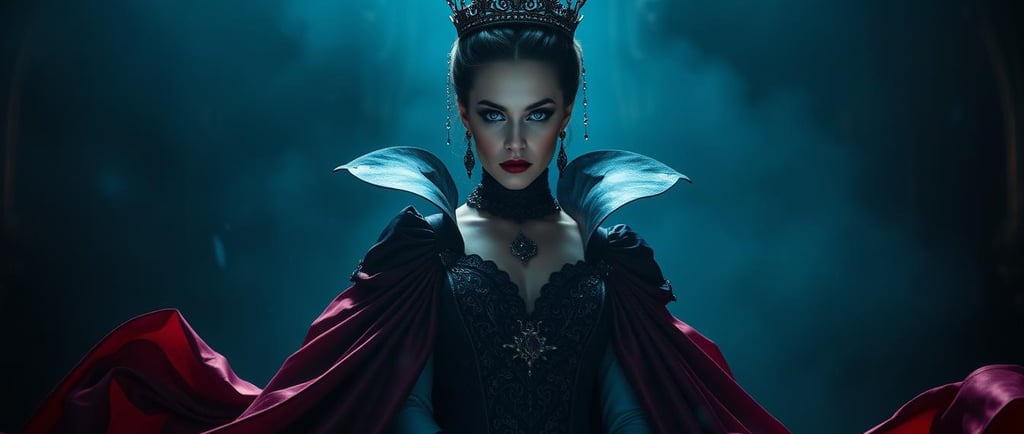
We have always been bewitched by the villain. That shadow at the edge of the tale, teeth glinting in the half-light, whispering seductions the hero dare not voice. They fascinate us because they are mirrors cracked just enough to show our hunger, our rage, our secret longings. To trace their lineage is to walk hand in hand with the forbidden.
But villainy is not merely the indulgence of cruelty. It is a study in human contradiction. To embrace the villainess is to admit we are stitched together from both satin and scar tissue. When we lean into her gaze, we are reminded: our darkness is not shame, but texture.
The Dark Appeal
Why do we circle villains like moths to flame? Because they move in the space between fear and desire. They free us from the tyranny of moral clarity, inviting us to linger in the beautiful blur.
Forbidden Curiosity
Villains are our sanctioned trespass into taboo. They test the fence posts of civilization, tapping at the locked doors we are told never to open. We watch because some hidden part of us wonders: what if I stepped through?
Freedom in Shadows
Their appeal is liberation itself. Villains laugh at rules, at etiquette, at the dull weight of obedience. They show us what it means to dance unshackled, armored in black silk or steel, daring anyone to stop us.
The Villain Through Time
Once, villains were flat as a dagger’s blade: wicked stepmothers, serpents, tyrants. Yet stories sharpened them with centuries. We began to hunger for more than stock monsters; we wanted their pain, their betrayal, their reasons.
Shakespeare understood this well. Iago’s venom is born of jealousy, Macbeth’s ruin from ambition—each tragedy a mirror of our own frailties.
Folklore painted villainous women as warnings: Baba Yaga, bone-legged and terrifying, embodying the terror of female power.
Modern myth-making gives us villains who weep, who love, who lose. They blur into antiheroes, asking us not to forgive, but to understand.
The Villainess: An Elegy in Red Lipstick
The villainess has always been more than a foil—she is rebellion in a corset. Cursed for wanting too much, punished for speaking too loudly, she became the cautionary tale of female ambition. But drape her in raven feathers or fur, and suddenly she glows with terrible glamour.
Maleficent, crowned in fire.
Cruella, stitched from cruelty and couture.
Anime heroines, dark-eyed and defiant, walking the razor edge between salvation and ruin.
The villainess is never just evil. She is commentary. She is power refusing to apologize.
Fashion as Weapon
A villain’s wardrobe is not costume—it is war paint. Black armor, sweeping cloaks, silhouettes that devour space: these are not vanity but strategy. Every hem and jewel declares: I am untouchable, I am inevitable.
The devil, after all, is not in the details. The devil is the details.
The Villain’s Journey
Villains are not born—they fracture. Some fall from grace, others are forged by trauma. Their armor is both steel and scar tissue, built to keep tenderness out. Yet even they cannot escape the ache of redemption arcs, the allure of being seen, if only for a heartbeat.
Why We Love Them
Memorable villains are not cardboard tyrants. They are mirrors held to our hunger:
A quest for love twisted into vengeance.
A longing for justice turned into obsession.
A reflection of the hero, but stripped of mercy.
We root for them because in the safety of story, we can slip into their skin and breathe freer there.
Villains Beyond the Page
In games, we play them. In culture, we crown them. Their faces adorn t-shirts and tattoos, their monologues echo in fanfiction. They are not just antagonists—they are icons. To love them is to admit our appetite for complexity, our weariness with saints.
Reputation of Ruin
To embrace the villain within is not to declare allegiance to evil—it is to claim the freedom they symbolize. It is a reclamation. A confession that our shadows are not flaws, but reservoirs of power.
The villain’s reputation may be ruin, but ruin is fertile ground. And in the ashes of burned-down saints, wildflowers of defiance bloom.
© 2025. All rights reserved.