
Morality with Blood Under Its Nails
Anti-hero
FIELD NOTES
Valkyrie
10/31/20253 min read
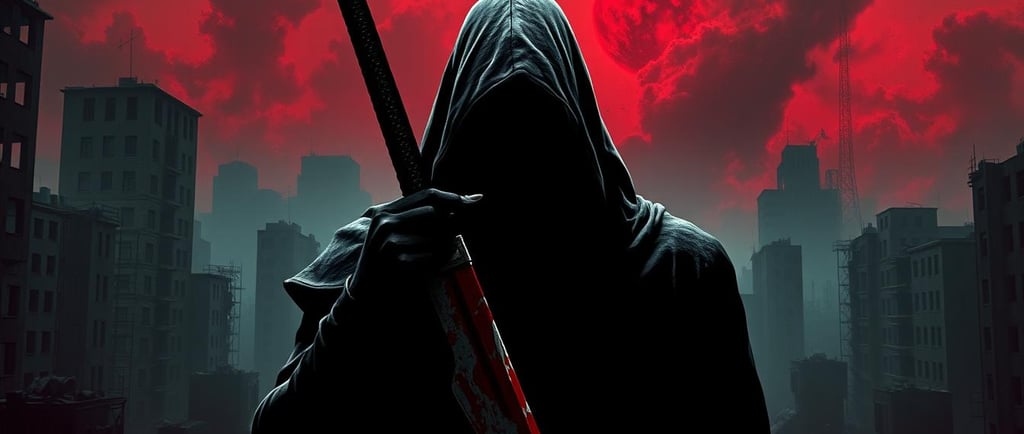
Morality has always been a slippery creature, no matter how tightly philosophers try to bind it with parchment and ink. In the darkened corners of literature and culture, a figure rises who does not gleam like a hero polished by the sun, but walks instead with blood under their nails and a private code stitched close to the heart. The anti-hero: neither savior nor villain, but something more unnerving—something far more human.
Their allure lies in the paradox. These figures reek of compromise, yet hold to honor in strange, crooked forms. They betray and redeem in the same breath. We cannot look away because, in their shadow, we recognize ourselves.
The Dark Allure of Moral Ambiguity
Moral ambiguity is a siren’s call. It tempts us into that fertile gray place where absolutes crumble, where the holy and the profane wear each other’s masks. Here the anti-hero thrives, dragging us deeper with every choice that defies neat categories of “good” and “evil.”
Unlike the shining paragons carved into marble, they move among us with dirt on their boots, carrying the complexities of flesh and bone. Their sins are many—but their flaws? Achingly familiar.
Flawed, Yet Magnetic
We do not love anti-heroes because they are perfect. We love them because they are wreckage stitched together with desire, loyalty, revenge, and fear. In their cracks, we glimpse our own fractures. In their transgressions, we taste freedom without the noose of consequence.
Carl Jung would call this a courtship with the Shadow Self. By walking with the outlaw, we acknowledge the parts of ourselves we have been taught to lock away. The anti-hero, in this sense, becomes not just entertainment, but confession.
A Lineage Written in Ash
Anti-heroes are not a modern invention; they are as old as the epics themselves. Achilles sulking in his tent, more concerned with wounded pride than glory. Medea, who loved and destroyed in equal measure. The stage is crowded with bloodstained figures who refused to be saints and yet could not quite be demons.
Later centuries reshaped them to fit their times. Post-war disillusionment birthed noir detectives with whiskey on their breath and sins in their past. Today’s digital age has given us characters who navigate not only moral ruin but algorithmic scrutiny—criminals, caretakers, rebels who become mirrors for our fragmented selves.
Archetypes of the Beautifully Damned
The reluctant savior who resents the burden of heroism.
The noble criminal who steals yet spares.
The fallen idealist, soured by the cruelty of the world.
The vengeful soul, who would burn down kingdoms for justice.
The compromised professional—cop, spy, doctor—whose ethics shift like sand beneath duty’s weight.
Each carries the same perfume: smoke, danger, and the lingering sweetness of redemption that may or may not arrive.
Blood-Stained Legends
From Macbeth to Michael Corleone, from Walter White to Arthur Morgan, these figures haunt our collective psyche. They thrive across pages, screens, and game consoles, forcing us to choose—will we judge them, or will we follow them willingly into their moral labyrinths?
Their legacy is not merely cultural, but personal. To root for them is to admit that we too harbor contradictory hungers: for goodness, yes, but also for ruin, for transgression, for the electric freedom of saying no to purity.
The Ethical Paradox
Why do we cheer for those we ought to condemn? Perhaps it is moral licensing, or perhaps something older—a need for catharsis, a recognition that morality is less a straight path and more a tangled forest. Baudelaire was right: the devil’s cleverest trick is not convincing us he doesn’t exist, but making us see him in ourselves and feel a thrill.
The Legacy of Imperfection
The anti-hero endures because perfection bores us. Their beauty lies in the mess, the bloodstains, the way they ruin dinner parties and still somehow steal our sympathy. They are proof that the human soul cannot be reduced to binaries.
In their stories, we find our own contradictions staring back. And so we keep watching, keep reading, keep pressing play—drawn like moths to the flicker of morality’s most beautiful monsters.
© 2025. All rights reserved.