
Infernal Interior Design
A tour through the underworld of decor
WRIT ON BONE
Valkyrie
9/24/20253 min read
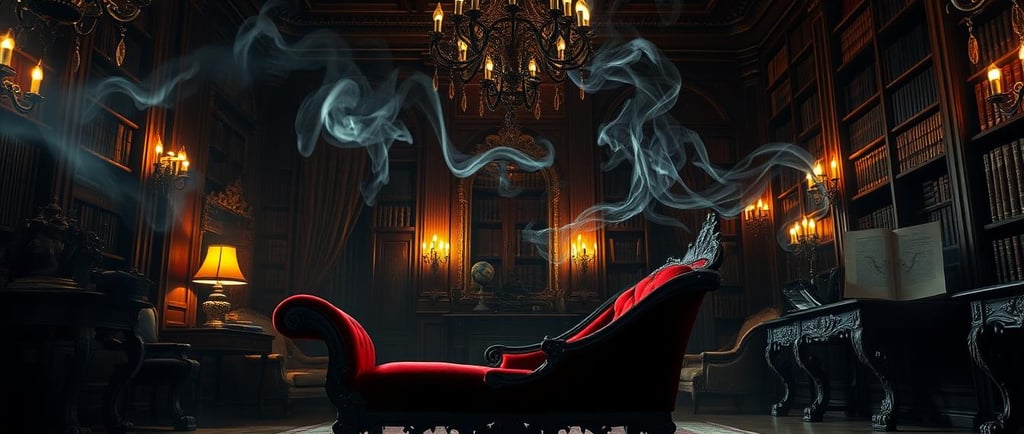
There is a certain velvet seduction to dwelling in the dark. Step into a room draped in shadow and you’ll feel it—the hum of the underworld beneath the floorboards, the whisper of velvet curtains heavy as midnight. Infernal interior design is not a trend. It is a pact, a declaration that you will no longer soften your edges for daylight. You will crown your home with shadows and call it beautiful.
This isn’t about gothic cosplay for the living room. It is about building a sanctuary that reflects your truest self—the one unafraid of the night. Elegance here is sharpened with rebellion, opulence kissed by ruin. To embrace the infernal is to craft a home that is both altar and abyss.
The Allure of Darkness
Humanity has always looked to the underworld for inspiration. Ancient temples carved into rock, cathedrals heavy with incense and shadow, Victorian parlors swathed in velvet and grief—all of them told us that beauty lives where light is rationed. The Gothic imagination gave us pointed arches and carved gargoyles; today we steal its drama and soften it with modern sleekness. Cinema lends us haunted staircases, candlelit corridors, and crimson wallpaper dripping with mystery.
Dark design carries with it not only aesthetics but psychology. A shadowed room can feel womb-like, intimate, a secret kept safe. Or it can edge toward unease, forcing us to confront what we fear. Either way, it makes us feel something—and isn’t that the true purpose of design?
The Alchemy of Infernal Spaces
To conjure an underworld of your own, you must weave with three threads: color, texture, and light.
Color palettes from the depths. Black, yes—but also garnet, obsidian blue, bruised purple. Hues that drip like spilled wine, that shimmer like forgotten relics. Accent them with gold leaf or tarnished silver, so the space glows like treasure pried from a tomb.
Textures that beg to be touched. Velvet that clings like sin, silk that whispers, dark wood that holds the memory of forests. Stone, iron, leather—materials that promise permanence, gravitas, a certain solemn beauty.
Lighting as ritual. Shadows are the true architects of infernal design. Candles, dimmed sconces, chandeliers that scatter fractured light. Think less “illumination” and more “invocation.”
Banishing the Dungeon
Darkness should seduce, not suffocate. The trick is balance: reflective surfaces that bounce candlelight, mirrors that open false doorways, gilded frames that catch the eye. Use contrast like a spell—let one pale object gleam against the gloom, a single rose on a blackened table.
The danger of dungeon décor is heaviness without relief. You avoid it by curating moments of shimmer, by choosing what to illuminate and what to let dissolve into shadow.
Rooms of the Underworld
Living Room as Ritual Chamber. Here the drama belongs: velvet sofas like thrones, carved tables heavy with history, walls alive with art both macabre and magnificent.
Bedroom as Sanctuary. Curtains that fall like night itself, bedding rich enough to drown in. This is where shadow becomes intimate, where darkness feels safe.
Dining Room as Stage. Imagine feasting by candelabra glow, wine glinting red as blood, cutlery flashing like blades. A place for decadence, not moderation.
Bathroom as Grotto. Dark tiles, stone basins, steam curling like incense. Even the mundane act of bathing becomes ritual.
Furniture: Thrones and Altars
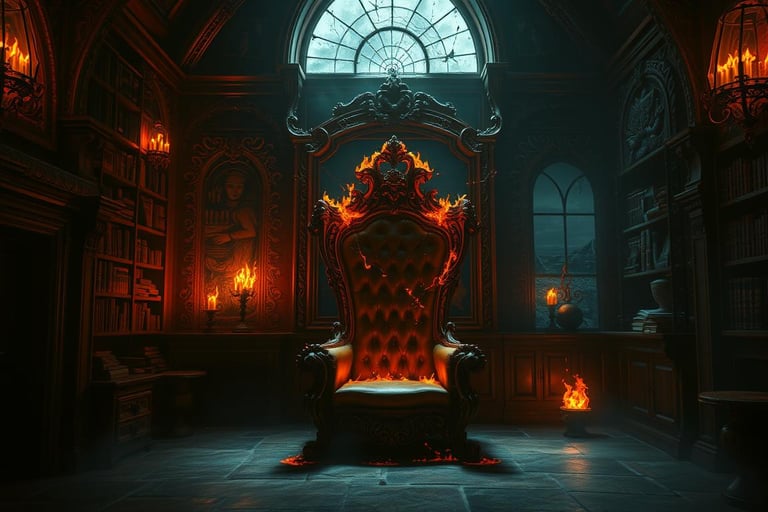
In infernal design, furniture ceases to be neutral. A chair is a throne. A table is an altar. A cabinet might guard secrets as much as dishes.
Seek statement pieces—a velvet armchair with claw feet, a carved table that looks stolen from a cathedral, a chaise lounge that invites both reading and languor. The old mingles with the modern: a sleek black sofa softened by antique candlesticks, a Victorian settee paired with a steel-and-glass side table.
Adornments of the Abyss
Accessories are spells. A skull carved in marble, a gallery wall of occult prints, a candle whose wax drips like sacrificial blood. Textiles soften the austerity: lace curtains that veil like mourning, rugs patterned with esoteric geometry.
Choose objects with meaning—artifacts that whisper myth, relics of the uncanny. Let each piece be a conversation with the dark.
Infernal Design Without Infernal Costs
A dark palace can be conjured without endless coin. Black paint resurrects old furniture. Thrift stores hide treasures aching for transformation. DIY alchemy can turn glass bottles into apothecary jars, thrifted frames into occult mirrors.
The underworld rewards creativity. Ruin, after all, is just reinvention in slow motion.
Seasons in Shadow
Even Hades knows the seasons shift. In summer, lighten the drapery without losing the drama—lace instead of velvet, a pale throw against the black sofa. In winter, lean into decadence: fur, candlelight, thicker shadows. Let your home breathe with the cycle, but never surrender its infernal heart.
Living with Darkness
Infernal design is not about discomfort. It is about seduction. It is about finding ease in the shadows, crafting a home that feels like a secret you live inside.
When you surrender to it—when you let black walls hold you, when you revel in velvet’s embrace, when the chandelier flickers like an offering—you discover the truth: darkness is not emptiness. It is intimacy. It is depth. It is beauty with teeth.
Your home becomes not just a place to live, but a shrine to the parts of you that glow most brightly when the lights are dim.
© 2025. All rights reserved.