In Defense of the Wicked Step-Mother
Villain
DISPATCHES FROM PURGATORY
Valkyrie
10/20/20252 min read
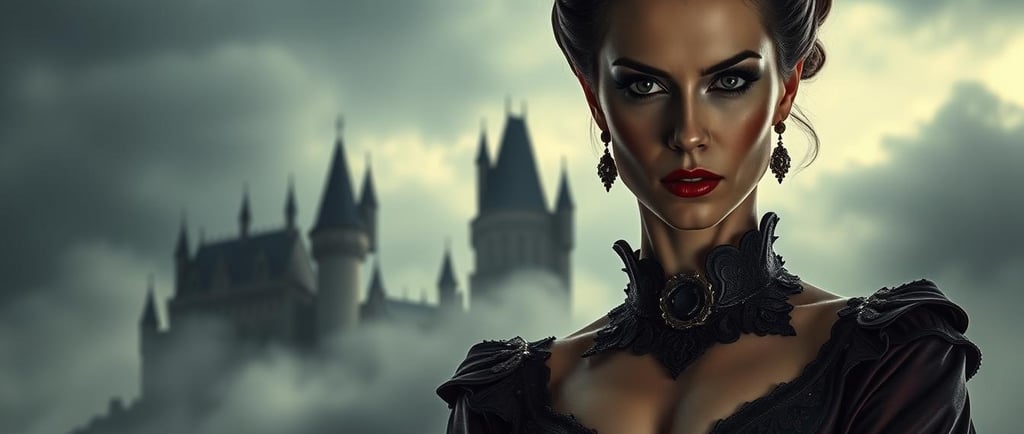
There is a certain power in accepting the title of villainess.
The crown of thorns society places upon our heads when we dare to draw lines, say “no,” or step out of the mold carved for us by trembling hands. They call us cold, unfeeling, wicked. I call it survival.
The “wicked step-mother” is less a character than a warning—an echo from fairy tales meant to teach girls their place. Be pliant, be sweet, be silent—or else. But I have grown fond of the “or else.”
The Maligned Maternal in Folklore
From Cinderella’s step-mother to Snow White’s poison-bearing rival, the archetype festers in the marrow of our myths. She is a specter of female authority gone “too far.” She dares to demand loyalty in a household not born of her blood. She dares to seek her own will. So they painted her monstrous, as cultures always do when a woman claims her own fire.
But what if the step-mother is not cruel—only inconvenient? What if her supposed wickedness is merely the audacity to be more than a background figure in someone else’s story?
Why We Fear Women Who Set Boundaries
Every witch burned at the stake, every queen branded “tyrant,” every woman who said enough—they carry the same scarlet letter. It is not wickedness that unsettles the crowd. It is the refusal to be endlessly soft.
Men who set boundaries are strong. Women who do the same are difficult, bossy, heartless. The dichotomy is an old curse: good woman or bad woman, Madonna or monster. There is no category for human.
Stepmotherhood in Mortal Life
Beyond myth, the role itself is steep terrain. To step into a family is to walk a labyrinth with no map: juggling tenderness and distance, balancing expectation with one’s own truth. Society demands instant bonds, instant harmony, instant sacrifice. And when the seams inevitably show, the blame is laid at her feet.
The step-mother’s labor is invisible, her efforts rarely praised. She is the phantom caretaker, expected to love without claim, nurture without recognition. No wonder the fairy tales made her bitter—who wouldn’t be?
Reclaiming the Villainess
To be misunderstood is a strange badge of honor. Elizabeth I, Wu Zetian, Rani Lakshmibai—each demonized in their time, each remembered for their vision, their ferocity. Perhaps the villainess is not evil but unwilling to be small.
The step-mother, in her so-called wickedness, teaches us something profound: the art of saying no. The wisdom of refusing to contort into saintliness. The radical act of insisting on one’s own story.
Boundaries are not cruelty; they are architecture. They do not close doors, they frame them. They tell us which halls we may walk without burning ourselves alive.
The Shadow as Sanctuary
To embrace the wicked step-mother is to embrace our shadow. Not malice, but wholeness. No longer chasing approval, no longer bound to people-pleasing. The villainess chooses authenticity over applause.
And in that choice, she becomes visionary. Her strength lies not in smoothing over the discomfort of others but in reminding us that power, once seized, does not need to apologize.
Legacy of the Wicked
So let us say it plainly: the wicked step-mother is not wicked at all. She is the mirror in which we see the cost of women’s obedience—and the wild freedom of refusal.
She is the one who dares to walk into a house not hers and claim space at the table. She is every woman who has been punished for saying no. She is strength cloaked in suspicion, wisdom mistaken for cruelty, authenticity misnamed as sin.
Her legacy? Not sweetness, not sacrifice, but the strange, untamable magic of a woman who will not bend.
© 2025. All rights reserved.