
Gentrification of the Underworld
FIELD NOTES
Valkyrie
9/29/20253 min read
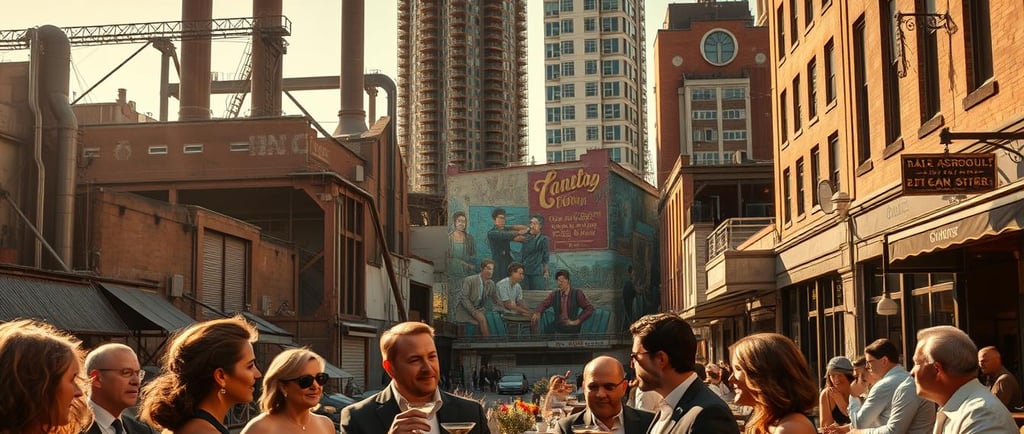
The underworld has always been a shifting city beneath the city—half myth, half marketplace. But lately I’ve noticed it’s undergoing its own form of gentrification. No, not just condos rising where dive bars once leaned. I mean the gentrification of vice itself: the way crime, rebellion, and hidden cultures are scrubbed, packaged, and sold back to us as tasteful decadence.
And yet—confession—I am seduced by much of it. Password-protected speakeasies, tattoos etched into skin like sigils, curated tours through districts where danger once thrummed like a heartbeat. I know these are reenactments, safe illusions. But sometimes artifice still feels like magic.
This is the paradox of the underworld today: a dance between authenticity and appropriation, shadow and spotlight, devotion and displacement.
The Hidden Transformation of Shadow Economies
Beneath the polished storefronts and café lights, the shadow economies are evolving. Once the haunt of back alleys and whispered transactions, now they bleed into digital platforms and corporate ventures. Crime hasn’t vanished—it’s simply been rebranded.
Prohibition once taught America to cherish the clandestine. Bootleggers and speakeasies weren’t merely criminals—they were artisans of resistance. Today, their smoky dens are reborn as velvet lounges with Edison bulbs, their danger replaced by décor. Still, I step inside, order a drink, and savor the theater of it. Nostalgia, even staged, has its charms.
The Sanitization of Vice
Street crime, raw and brazen, has given way to men in suits laundering billions. The pickpocket has been replaced by the hedge fund manager. Crime didn’t die; it upgraded its wardrobe.
And our red-light districts? Tourist attractions now. Neon replaced by neon-branded nostalgia. I’ve taken those tours—walking lantern-lit alleys while guides whisper stories of sex work and smuggling. I know it’s performance more than presence, but sometimes performance is enough to conjure the ghosts.
Law enforcement, by cracking down on the visible, has unwittingly shepherded crime into the invisible—into boardrooms, encrypted chats, and tax havens. The line between crime and commerce is paper-thin, and often perforated.
Cultural Appropriation of the Underground
Here is where the pang cuts deepest: the way the underworld’s aesthetic has been lifted wholesale by the very forces that once sought to crush it.
Graffiti now sells at Sotheby’s. Tattoo artists, once outlaw visionaries, are Instagram influencers—and I’ll admit, I follow them. My own tattoos are both souvenirs and declarations, part of this sanitized inheritance. I know the outlaw edge has dulled, but I still treasure the ink.
Hacker culture, once anarchic and untamed, has been polished into “innovation.” The dark web birthed cryptocurrency, which now gleams on Wall Street tickers. What was rebellion is now retirement planning.
The raw is dressed up, the dangerous declawed, yet I keep sipping from its velvet cup.
The Economics of Gentrification
The cannabis industry is perhaps the clearest mirror. Once criminal, now corporate. A symbol of counterculture transfigured into shareholder returns. The pioneers—those who risked prison—are locked out of the very empire they birthed.
The same story echoes everywhere: the small replaced by the scalable, the outlaw eclipsed by the multinational.
The Human Cost: Shadow Displacement
For all the glamour and clever marketing, there’s grief here. Entire subcultures—raw, unruly, gloriously alive—are being wiped away. Communities shattered, identities flattened. Where once you might stumble into a hidden world of music, sex, resistance, or ritual, now you find curated experiences sold on Eventbrite.
The underworld has always been liminal—a place where misfits found belonging. Its gentrification is not just about money. It’s about the disappearance of sanctuary.
Case Studies in Transformation
Times Square: once a labyrinth of sex work, now scrubbed into Disney’s nightlight.
Tattoo culture: from outlaw flesh to influencer branding. (Body as canvas, even as the art form is domesticated.)
Graffiti: from vandalism to auction house darling.
Every outlaw art eventually gets white-gloved.
Resistance and Rebellion
And yet—the underworld refuses to die. With every appropriation comes new revolt. Secret networks re-form. Digital havens blossom in encrypted corners. Basement parties and locked forums guard the last embers of authenticity.
The underworld is not a relic but a living entity, perpetually reinventing itself. Margins become the center; the center collapses back into the margins. Each time it is sanitized, it slips elsewhere, into cracks polite society can’t seal. That cycle is its nature, and its strength.
Final Thought: The Beauty and the Loss
I am complicit. I love the velvet nostalgia of speakeasies, the touristic thrill of walking once-forbidden streets, the ink I plan to carry on my skin. I drink deeply of this aesthetic, knowing it is curated, knowing it is safe.
But I cannot ignore the price: the lives, the cultures, the authenticity scraped away to make rebellion consumable.
The gentrification of the underworld is no less than a myth retold badly: heroes sanitized, villains repackaged, the wild made safe for polite society. And yet, somewhere in the shadows, I know the true story still burns—waiting for the next generation to stumble across it, fall in love, and make it dangerous again.
© 2025. All rights reserved.