
Elegance in Refusal
Anti-hero
DISPATCHES FROM PURGATORY
Valkyrie
11/5/20253 min read
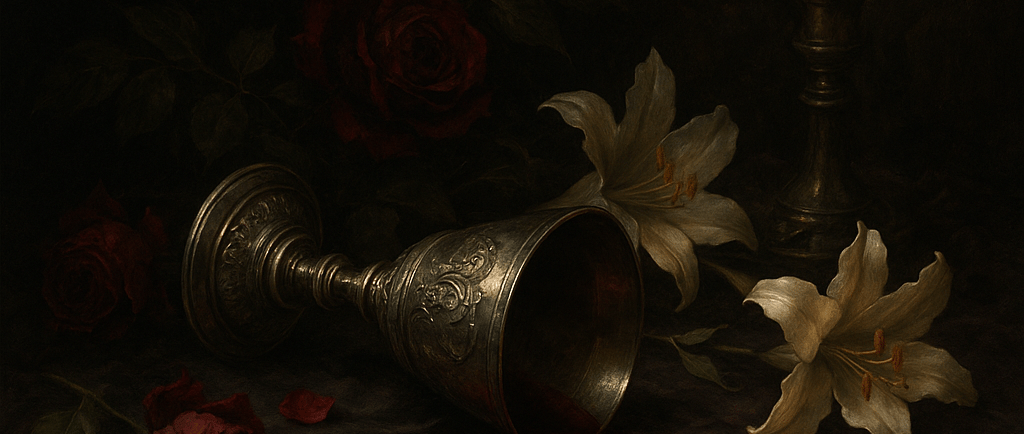

There is a strange grace in refusal, a beauty in the sharpened edge of “no.” To say it is not mere rejection—it is a hymn to autonomy, a small rebellion sung against the clamor of conformity. The anti-hero lives here, in the pause before compliance, in the choice to defy the script handed down by gods or governments or polite society.
In a world that crowns obedience as virtue, a firm refusal is heresy—and yet, heresy has always been the seed of transformation. Refusal is an act of reclamation: of breath, of time, of self. It is the anti-hero’s blade, cutting away what no longer serves.
The Power of No: Refusal as Strength
The word “no” has always been a weapon disguised as a whisper. Civilizations have demanded our “yes”—yes to unjust laws, yes to exploitative labor, yes to roles scripted by the patriarchy’s ink. But history remembers the ones who refused: the marcher who sat down, the artist who painted against convention, the lover who chose herself. Their “no” was not petulance; it was preservation.
To reframe refusal is to see it as a shield, not a slight. It safeguards our spirit, keeps us from bleeding out our days for causes unworthy of our marrow.
Why We Struggle: The Burden of Yes
We are trained early to worship the altar of agreement. Yes is praised as kind, cooperative, heroic even. But endless yes corrodes identity—it turns flesh to ghost. The fear of rejection keeps us pliant, but it also keeps us hollow. How many of us have bartered authenticity for approval, only to wake resentful, brittle, and burned?
The Brain’s Quiet Victory in Boundaries
There is science in this sorcery, too. Boundaries, when honored, light up the reward centers of the brain, flooding us with relief and resolve. Saying no can feel dangerous in the moment, but the aftertaste is dopamine—proof that the body itself conspires with us in our refusal.
Warning Signs in the Flesh
Our bodies often know before we do. The tension in the jaw, the endless fatigue, the nausea that blooms when we step into a room that drains us—these are omens. Refusal is not always grandiose; sometimes it is a whispered “no more” to what harms, to what steals vitality drop by drop. The anti-hero learns to read these signals like auguries.
The Art of Elegant Refusal
An elegant refusal is not coated in apology. It is simple, deliberate, like sliding a sword back into its sheath. No explanations, no self-betrayal disguised as justification. As Marcus Aurelius said: “You have power over your mind—not outside events. Realize this, and you will find strength.”
A pause before speaking, a clear boundary spoken once without tremor, a redirect of energy toward what nourishes—these are the small rites that make refusal both artful and defiant.
Becoming Your Own Anti-Hero
To embody the anti-hero is to write a boundary manifesto: this far, no further. It means declining obligations that feast upon your marrow, erecting digital gates against the constant call of the hive, scripting refusals in advance like battle cries tucked in your pocket.
It also means accepting the consequences—relationships that fracture, accusations of selfishness, the sudden chill of disapproval. But what of it? Better to be maligned for your truth than adored for your erasure.
From Refusal to Redirection
Every no is also a yes—to time, to vitality, to the pursuits that matter. Steve Jobs once said that focus is not the art of choosing, but the art of refusing—of saying no to a hundred good ideas for the sake of the one essential flame.
So too with us. Each refusal clears the undergrowth so our true path can emerge, thorn-lined though it may be.
Real-World Anti-Heroes of No
The saints of refusal are everywhere: Rosa Parks keeping her seat, artists refusing to obey the taste of the market, ordinary women refusing to stay silent at dinner tables heavy with expectation. Their elegance is in their audacity. Their refusals became revolutions.
The Revolutionary Elegance of Living Authentically
To live authentically is to become fluent in refusal. To say no not out of spite but out of reverence for your one brief life. It is not the loud villain’s cackle, nor the saint’s meek compliance, but the anti-hero’s cool assertion: I will not.
And in that refusal, you make space for everything worth saying yes to.
© 2025. All rights reserved.